Enhance Your Occasion: Exceptional Catering Solutions for All Occasions
Improving an event through catering calls for careful consideration of multiple elements. The selection of catering method can greatly influence the whole experience. Developments such as hands-on dining setups and sustainable ingredients are gaining popularity. In addition, accommodating dietary requirements and staying within budget are critical. Understanding these elements can turn an ordinary gathering into a lasting impression. However, identifying the ideal approach and service is essential for reaching the sought-after outcome. What actions should be considered moving forward?
How to Select the Ideal Catering Style for Your Event
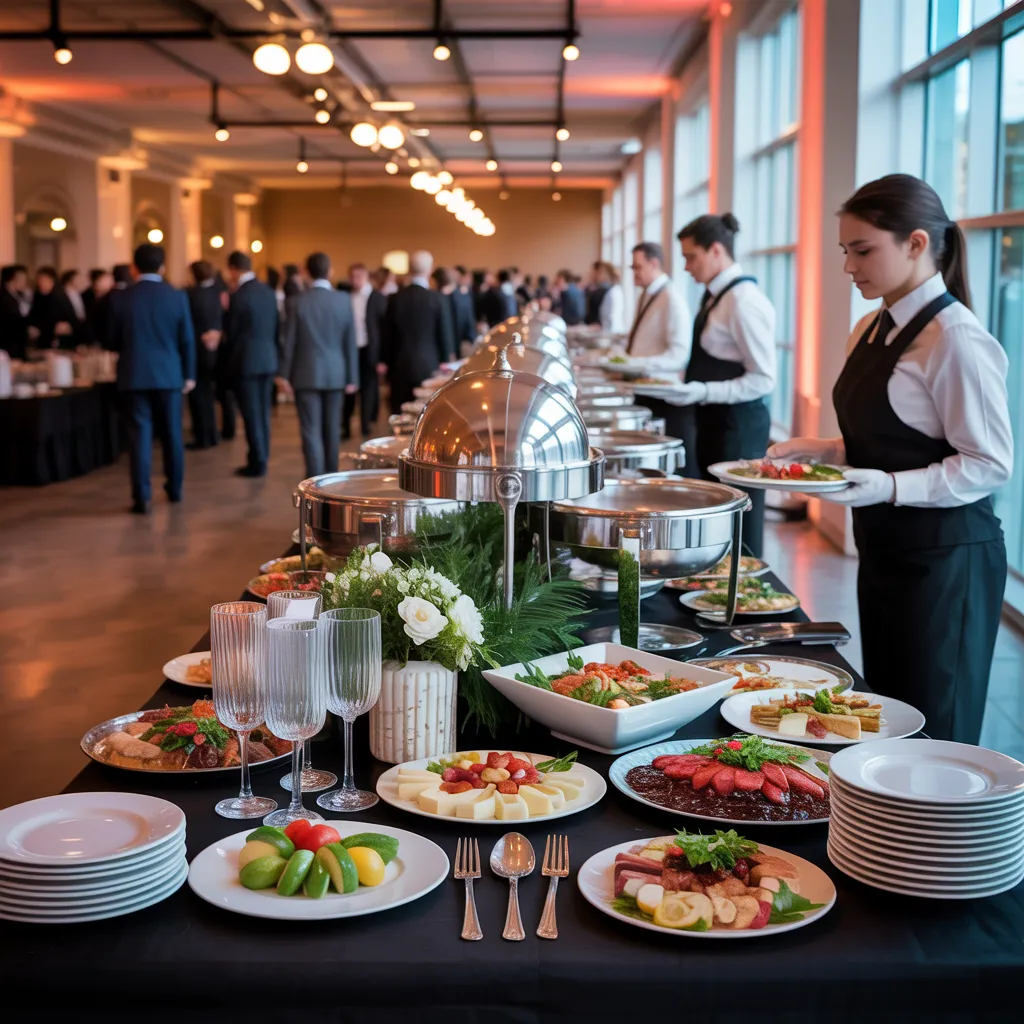
When organizing an event, how does one determine the most suitable catering style? The decision relies on several factors, including the type of event, guest count, and venue. Formal gatherings, such as weddings or corporate functions, often benefit from plated service, which delivers a sophisticated dining experience. On the other hand, relaxed gatherings like birthday parties tend to favor buffet or family-style catering, fostering interaction and mingling among attendees.
A further aspect is the dietary preferences and restrictions of attendees, which necessitate a flexible menu that accommodates various needs. Additionally, the budget holds significant importance; some catering styles may be more cost-effective than others. In addition, the intended event environment should complement the chosen catering method, whether it be sophisticated or laid-back. In the end, recognizing these factors allows event planners to select a catering style that enhances the gathering while satisfying both visual see this and practical needs.
Top Catering Trends to Impress Your Guests
Modern events increasingly embrace innovative catering trends that enhance the attendee experience. A notable development is the use of interactive food stations, allowing guests to tailor their food selections in the moment. This not only adds an exciting aspect but also promotes lively engagement across the crowd.
Sustainable and regionally sourced ingredients are growing in prominence, reflecting a growing awareness of environmental impact and health consciousness. This movement not only elevates taste profiles but also strengthens local economies.
Furthermore, immersive culinary journeys introduce guests to diverse cultures via carefully crafted dishes, creating memorable dining moments. To conclude, the rise of breathtaking visual displays, such as edible art and vibrant platings, confirms that each dish is as much a feast for the eyes as it is for the palate. Together, these developments shape a truly remarkable catering experience, making a profound impact on attendees while establishing the ambiance of the gathering.
How to Make Certain All Dietary Needs Are Taken Care Of
Addressing dietary needs at events requires early identification of restrictions to guarantee inclusivity. Presenting a wide-ranging menu that meets diverse preferences and requirements is crucial for ensuring guest satisfaction. Proper labeling of food items additionally helps prevent confusion and fosters a secure dining environment.
Recognize Dietary Restrictions From the Start
How do event organizers ensure that all guests feel welcomed and content? Identifying dietary restrictions early is vital for achieving this goal. Before the event takes place, organizers ought to distribute invitations that feature a request for dietary needs and limitations. This proactive approach allows them to gather essential information and accommodate various needs, such as allergies, intolerances, and lifestyle choices like veganism or gluten-free diets.
Organizers can also consider developing a straightforward digital form or questionnaire to make the process more efficient. By consolidating this collected data, they can guarantee that all attendees are accommodated, promoting an inclusive and welcoming environment. In the end, identifying dietary restrictions ahead of time not only boosts attendee satisfaction but also highlights the organizer's focus on attentive and thorough event planning.
Feature an Extensive Array of Menu Options
Following the collection of dietary restrictions, event organizers can proceed by presenting a wide range of menu options designed to suit all attendees. A carefully planned menu should offer vegetarian, vegan, gluten-free, and nut-free alternatives, guaranteeing that no attendee is left out. By incorporating a variety of cuisines, organizers can appeal to different palates while respecting dietary preferences and restrictions. Seasonal ingredients can enhance flavor and freshness, making dishes more appealing. Additionally, providing a mix of appetizers, main courses, and desserts allows guests to enjoy a full dining experience. Working with catering professionals who focus on diverse menu options can help ensure that all dietary considerations are satisfied, ultimately cultivating an inclusive setting that enriches the overall event experience.
Label All Food Items Clearly
How can event organizers ensure that guests feel safe and informed about their food choices? Proper food labeling is crucial for meeting dietary requirements. Organizers ought to employ informative signage that details ingredients and emphasizes prevalent allergens like nuts, gluten, and dairy. This level of clarity empowers guests to make well-informed decisions and reduces potential health hazards. Moreover, using color-coded labels can streamline the process of identifying vegan, vegetarian, and gluten-free dishes. Including comprehensive descriptions on menus boosts clarity and fosters greater guest involvement. Event planners should also ensure that knowledgeable staff members are on hand to address food-related inquiries. By putting these practices into place, event planners can cultivate a hospitable setting where all guests feel secure in their food decisions, ultimately improving the overall quality of the event.
Crafting a Customized Menu for Your Theme
Developing a customized menu for an event theme elevates the overall experience, guaranteeing that the menu choices complement the event's essence. A carefully crafted food menu reflects the gathering's mood, such as a sophisticated gala, a whimsical birthday party, or a casual outdoor gathering. By considering the event theme, event organizers can curate menu items that align with cultural traditions and color schemes.
Including seasonal ingredients does more than boost taste as it also suits the aesthetic direction of the gathering. To illustrate, a tropical theme may highlight colorful fruits and refreshing seafood, while a rustic occasion could highlight wholesome, locally obtained dishes. Moreover, addressing dietary needs and limitations guarantees inclusivity, permitting every guest to appreciate the culinary experience.
Ultimately, a customized menu elevates mere sustenance into an fundamental part of the occasion's story, creating an enduring memory that extends beyond the final course.
How Professional Service Makes a Difference in Catering
Expert catering service significantly elevates the entire event experience, guaranteeing that guests feel acknowledged and respected. Steadiness and trustworthiness are defining characteristics that separate skilled caterers from the rest, providing assurance that every aspect will meet expectations. This level of service not only reflects the event's quality but also reinforces the host's reputation.
Influence on Event Experience
Even though the dishes offered at an event tend to be a main attraction, the quality of catering staff greatly influences the overall experience. Skilled catering teams not only guarantee that dishes are presented beautifully but also oversee the timing and flow of service, which can enhance guest enjoyment. Attentive servers create an inviting atmosphere, allowing hosts to connect with their guests without concern. In addition, knowledgeable staff can provide insights about the menu, guaranteeing guests are knowledgeable and pleased with their selections. Ultimately, the smooth coordination of catering services creates a memorable event, leaving a lasting impression on attendees. A well-coordinated catering experience elevates the occasion, highlighting the value of professional service in event planning.
Dependability and Consistency Guarantee
Maintaining consistency and dependability in catering services is vital for a triumphant event. When clients work with professional caterers, they look forward to a flawless experience, from organization to delivery. Trustworthy catering companies copyright high standards, making certain that food quality, presentation, and service are kept consistent. This consistency reassures clients that their guests will enjoy a memorable dining experience.
Furthermore, professional catering teams excel at managing logistical challenges, including impromptu adjustments or nutritional considerations, without compromising service quality. Their experience allows them to anticipate potential issues, reducing anxiety for event planners. Fundamentally, the reliability of a catering service directly influences the general achievement of a gathering, establishing credibility and inspiring clients to revisit for later gatherings.
Planning Your Catering Budget: Getting the Most Value
Steering through the complexities of planning a catering budget can greatly impact the total success of an event. Creating a well-structured budget is crucial, as it establishes the framework for all catering-related decisions. Event coordinators should first calculate the full amount allocated and dividing it into specific sections, such as beverages, food, and service charges.
Prioritizing needs over wants can help maximize value; for instance, selecting a buffet style may offer a wider variety at a lower cost than plated meals. Additionally, working out deals with catering providers can produce cost savings or special arrangements, enhancing the overall experience without breaking the bank.
Utilizing locally sourced seasonal produce can additionally cut expenses while delivering consistently fresh and delicious meals. Through a methodical review of options and strategic decision-making, catering coordinators can achieve a memorable catering experience that meets their financial constraints without sacrificing quality.
Reviewing and Picking the Ideal Catering Service
What steps can event planners take to properly assess and select the ideal catering service? The initial step requires identifying particular event requirements, including the type of cuisine, guest count, and dietary restrictions. Following this, planners ought to investigate prospective caterers by examining online reviews, client testimonials, and showcases of previous events. It is essential to schedule tastings to assess food quality and presentation.
Budget factors carry significant weight; planners must obtain detailed quotes that outline all costs, including operational fees and any applicable overtime expenses. Engaging in direct communication with caterers helps to gauge their responsiveness and willingness to accommodate unique requests. Moreover, confirming valid licenses and adequate insurance coverage secures trustworthiness and professional credibility.
Ultimately, planners should gather recommendations from peers or professional networks to narrow down options. By integrating this approach, planners can successfully identify a catering provider that suits their needs and improves the guest experience.
Commonly Asked Questions
What Is the Ideal Timeframe for Booking Catering Services?
Professionals advise booking catering providers no less than three to six months beforehand for sought-after dates and event spaces. This ensures availability, allows for menu customization, and offers sufficient time for any necessary adjustments or planning.
Do Catering Services Offer Rentals for Tables and Chairs?
A wide range of catering companies offer rental packages for tables and chairs, providing a thorough solution for gatherings. Customers should inquire about these additional services when reserving to ensure every need is addressed for their special gathering.
What Happens to Leftover Food After the Event?
Once the event concludes, surplus food is routinely checked for safety and quality. Numerous catering companies contribute surplus food to nearby charities or shelters, while a few may box it up for clients or ensure it is discarded in an environmentally conscious way.
Are Gratuities Part of the Catering Fee?
Gratuities are usually not part of the catering fee. Clients are advised to check with the catering company about their tipping guidelines, as recommendations may be made based on either the total cost or the standard of service delivered.
Am I Able to Try the Menu Before Completing My Order?
A tasting session is generally provided prior to confirming the order. This opportunity allows clients to sample the menu options, ensuring the selected dishes align with their preferences and event expectations.