Upgrade Your Celebration: Exceptional Food and Beverage Services for Every Occasion
Elevating an event through catering necessitates thoughtful evaluation of numerous elements. The choice of catering style can greatly shape the complete experience. Movements such as interactive food stations and environmentally conscious selections are rising in appeal. Furthermore, accommodating dietary requirements and staying within budget are essential. Grasping these elements can turn an average gathering into a lasting impression. That said, choosing the right plan and support is fundamental for reaching the desired outcome. What steps should one take next?
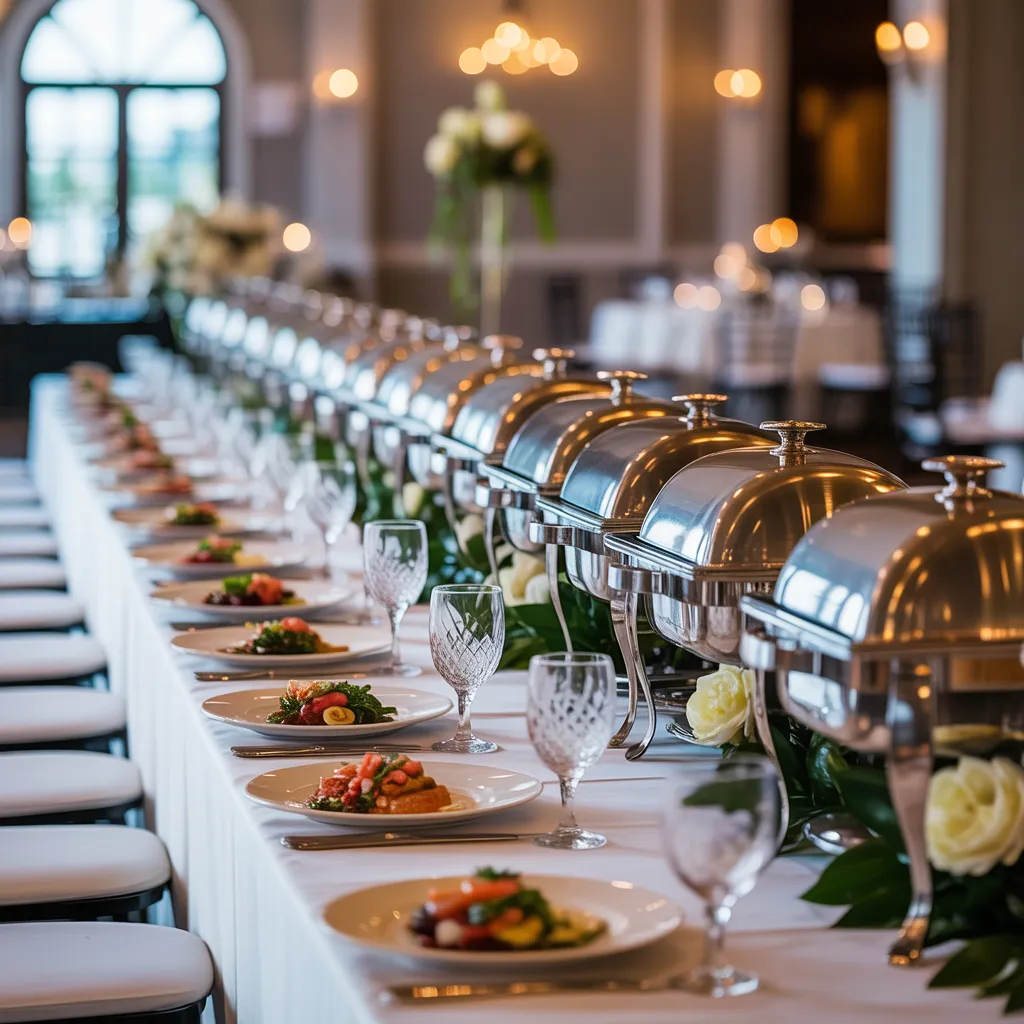
How to Find the Best Catering Style for Your Event
When coordinating an event, how can one identify the most suitable catering style? The selection copyrights on several factors, including the nature of the event, guest count, and venue. Formal events, such as weddings or corporate functions, typically warrant plated service, which delivers a sophisticated dining experience. By comparison, casual events like birthday parties may call for family-style or buffet catering, promoting socialization and engagement among guests.
A further aspect is the dietary preferences and restrictions of attendees, which demand a versatile menu that accommodates various needs. Moreover, the budget plays an essential role; various catering options differ in their overall affordability. Lastly, the overall atmosphere desired should match the chosen catering method, whether it be elegant or casual. At the core, being aware of these considerations enables organizers to choose a catering style that elevates the event while satisfying both visual and practical needs.
Leading Catering Trends That Will Wow Your Guests
Today's events are progressively adopting cutting-edge catering approaches that elevate the attendee experience. A notable development is the reliance on participatory dining stations, giving guests the opportunity to personalize their dishes in live settings. This not only brings an interactive dimension but also promotes lively engagement among attendees.
Eco-friendly and locally obtained ingredients are becoming increasingly popular, demonstrating a heightened consciousness toward ecological impact and healthy living. This movement not only elevates taste profiles but also strengthens local economies.
Additionally, themed culinary experiences bring guests on a cultural voyage through distinctive flavors, creating memorable dining moments. To conclude, the rise of breathtaking visual displays, such as artistic edible creations and colorful presentations, guarantees that every plate captivates the eyes just as powerfully as it pleases the palate. Together, these developments shape a truly remarkable catering experience, creating enduring memories for guests while defining the character of the occasion.
How to Make Sure Everyone's Dietary Needs Are Met
Addressing dietary needs at events requires early identification of restrictions to guarantee inclusivity. Providing a varied menu that caters to different preferences and needs is vital for the satisfaction of guests. Clear labeling of food items further aids in avoiding misunderstandings and promotes a safe dining experience.
Recognize Dietary Restrictions From the Start
What steps can event organizers take to make sure every attendee feels included and pleased? Pinpointing dietary limitations ahead of time is crucial for reaching this aim. Prior to the event, organizers should send out invitations that include a request for dietary preferences and restrictions. This proactive approach allows them to gather essential information and accommodate various needs, such as allergies, intolerances, and lifestyle choices like veganism or gluten-free diets.
Organizers can also consider developing a straightforward digital form or questionnaire to streamline the process. By consolidating this collected data, they can assure that all guests are catered for, creating a more inclusive and considerate setting. Ultimately, early identification of dietary restrictions not only enhances guest satisfaction but also highlights the organizer's focus on attentive and thorough event planning.
Provide a Variety of Menu Choices
After gathering dietary restrictions, event organizers can take the next step by offering diverse menu options that cater to all guests. A carefully planned menu should offer vegetarian, vegan, gluten-free, and nut-free alternatives, guaranteeing that no attendee is left out. By incorporating a variety of cuisines, organizers can appeal to different palates while respecting dietary preferences and restrictions. Locally sourced seasonal ingredients can elevate taste and freshness, rendering dishes more attractive to guests. Furthermore, offering a combination of starters, entrees, and desserts enables guests to savor a complete culinary journey. Collaborating with caterers who are experienced in accommodating varied dietary requirements can ensure that every guest's needs are addressed, fostering an inclusive environment that enhances the entire event.
Label Food Clearly
How can event organizers ensure that guests feel safe and informed about their food choices? Clearly labeling food is essential for addressing dietary needs. Event planners should use clear signage that identifies ingredients and draws attention to common allergens including nuts, gluten, and dairy. This transparency allows guests to make informed decisions and avoids potential health risks. Additionally, color-coded labels can simplify the identification of vegan, vegetarian, and gluten-free options. Including comprehensive descriptions on menus boosts clarity and fosters greater guest involvement. Organizers should also consider having staff available to answer questions about the food. By implementing these strategies, event planners can create a welcoming atmosphere where all guests feel confident in their food selections, ultimately elevating the overall event experience.
Creating a Personalized Menu for Your Theme
Developing a personalized menu for an themed occasion enriches the overall experience, guaranteeing that the menu choices complement the occasion's spirit. A thoughtfully designed menu conveys the gathering's mood, whether it be a black-tie gala, a playful birthday celebration, or a casual outdoor gathering. By considering the theme, event organizers can handpick dishes that complement cultural elements and aesthetic themes.
Including seasonal produce enhances flavor while also complementing the visual appeal of the occasion. By way of example, a tropical event theme could showcase colorful fruits and refreshing seafood, while a rustic-themed event may emphasize hearty, locally sourced fare. In addition, considering guests' dietary preferences and restrictions promotes an inclusive dining experience, allowing all guests to enjoy the culinary journey.
Ultimately, a tailored menu turns simple nourishment into an integral part of the event's narrative, leaving a lasting impression that goes well beyond the concluding meal.
How Professional Service Makes a Difference in Catering
Professional service in catering notably enhances the overall event experience, guaranteeing that guests feel acknowledged and respected. Consistency and reliability are key attributes that distinguish professional caterers, offering confidence that all elements will fulfill expectations. This degree of professionalism not only showcases the event's caliber but also bolsters the host's credibility.
Impact on Event Experience
Although the cuisine presented at an event is often a central consideration, the quality of catering staff greatly affects the overall experience. Experienced service personnel not only guarantee that dishes are displayed elegantly but also coordinate the timing and flow of service, which can improve guest enjoyment. Thoughtful catering professionals create an warm atmosphere, allowing hosts to engage with their guests without worry. In addition, experienced service professionals can provide guidance about the menu, guaranteeing guests are knowledgeable and pleased with their selections. Ultimately, the smooth coordination of catering services contributes to a memorable event, leaving a enduring impact on attendees. A well-coordinated catering experience elevates the occasion, highlighting the significance of professional service in event planning.
Dependability and Consistency Guarantee
Maintaining consistency and dependability in catering services is vital for a triumphant event. When clients work with professional caterers, they look forward to a flawless experience, from organization to delivery. Dependable catering companies maintain high standards, guaranteeing that food quality, presentation, and service stay consistent. This reliability assures clients that their guests will have an unforgettable dining experience.
In addition, expert catering professionals are proficient at managing logistical challenges, like unexpected changes or special dietary needs, while upholding high service standards. Their knowledge equips them to anticipate potential issues, reducing anxiety for event planners. In the end, the dependability of a catering provider directly impacts the overall success of an event, establishing credibility and inspiring clients to revisit for later gatherings.
Making the Most of Your Catering Budget: A Value Guide
Steering through the intricacies of catering budgets can greatly impact the general outcome of an event. Establishing a clear budget is vital, as it defines the boundaries for all catering-related decisions. Event planners should begin by determining the total amount available and breaking it down into specific sections, such as food, beverages, and service fees.
Focusing on necessities rather than luxuries can help maximize value; for instance, choosing a buffet format may deliver greater selection at a more affordable price than plated service. Moreover, working out deals with catering providers can yield learn here discounts or package deals, enhancing the overall experience without breaking the bank.
Incorporating fresh seasonal components can additionally cut expenses while delivering consistently fresh and delicious meals. By systematically assessing choices and acting on well-informed decisions, event planners can deliver an exceptional catering outcome that fits within their budget while maintaining high standards.
Evaluating and Choosing the Right Catering Service
What steps can event planners take to properly assess and select the ideal catering service? The initial step requires identifying particular event requirements, such as the preferred cuisine style, number of guests, and any dietary restrictions. Following this, planners ought to investigate prospective caterers by examining online reviews, client testimonials, and showcases of previous events. Arranging tastings is a critical step in evaluating food quality and visual presentation.
Financial considerations are a critical aspect; planners should secure comprehensive quotes covering all expenses, including operational fees and any applicable overtime expenses. Having direct conversations with caterers allows planners to assess their attentiveness and readiness to fulfill special requirements. Furthermore, verifying appropriate licenses and insurance ensures dependability and a professional standard.
Ultimately, organizers should gather suggestions from fellow professionals or industry connections to narrow down options. By merging these methods, organizers can effectively select a catering service that aligns with their vision and improves the guest experience.
Questions We Often Receive
How Early Should I Schedule My Catering Services?
Professionals advise reserving catering arrangements no less than three to six months beforehand for high-demand dates and venues. This secures your booking, permits menu personalization, and provides ample time for any necessary adjustments or planning.
Can Catering Companies Supply Rentals for Tables and Chairs?
Several catering providers offer rental solutions for chairs and tables, presenting a all-inclusive option for gatherings. Customers should explore these added amenities when booking to guarantee all needs are met for their function.
What Becomes of Leftover Food Following the Event?
Once the event concludes, remaining food is usually evaluated for safety and quality. Numerous catering companies contribute surplus food to nearby charities or shelters, while others may wrap it up for clients or handle disposal in a responsible manner.
Are Gratuities Included in the Catering Cost?
Gratuities are typically not included in the catering cost. Customers are encouraged to confirm the gratuity policy directly with their catering provider, as recommendations may be made based on either the total cost or the standard of service delivered.
Can I Taste the Menu Before Finalizing My Order?
Yes, a tasting session is usually arranged before the order is finalized. This chance enables clients to try the available menu selections, making sure the chosen dishes match their tastes and event requirements.